
Living Leaves Traces
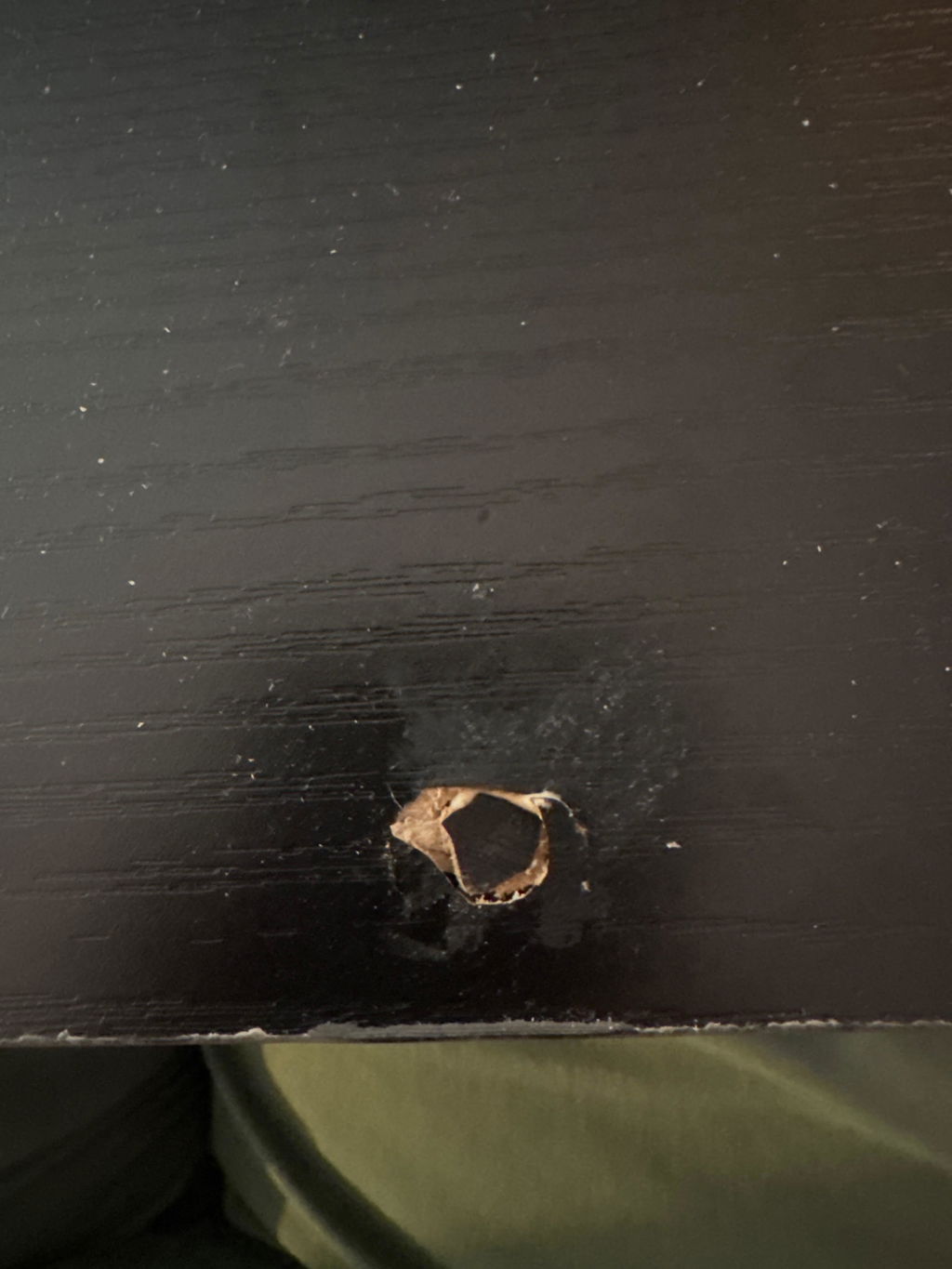
Furniture rarely stays pristine for long. A surface catches light differently after years of use. Edges soften where hands return again and again. Small marks appear—not from neglect, but from living. These changes are often labeled as wear, yet they are closer to evidence. Evidence that a piece has been present for real days, real routines, and real moments.
In a well-lived home, signs of use are not failures. They are the quiet result of furniture doing what it was meant to do—supporting life without asking for constant care or protection.

Not All Wear Is the Same
What makes the difference is not whether furniture changes over time, but how it changes.
Some materials resist use only by demanding attention. They scratch easily, stain quickly, or require careful handling that interrupts daily rhythm. Over time, this fragility creates distance. Furniture becomes something to avoid rather than rely on. In contrast, materials designed for daily tolerance accept use without protest. Wood-look surfaces that resist minor scratches. Finishes that clean easily without special treatment. Textures that age evenly instead of revealing every moment of contact.

These materials do not try to freeze time. They move with it.
When Furniture Stops Asking for Care
When furniture is built to accept wear naturally, it becomes less precious and more personal. A tabletop can hold a morning mug without hesitation. A shelf supports books that are taken down and returned, not arranged once and left untouched. The surface remains steady, even as its appearance slowly evolves.
Low maintenance plays an important role here. Furniture that tolerates daily life does not demand rituals to stay presentable. A simple wipe is enough. Dusting does not feel like repair. Cleaning becomes part of routine rather than a reminder of vulnerability. This ease allows furniture to remain in use, not in preservation.

Time as a Quiet Companion
As time passes, the relationship with furniture deepens. The piece feels familiar. Its weight, texture, and stability become known. Minor changes no longer feel like damage, but like continuity. The furniture does not weaken as it ages; it settles. It becomes easier to live with because it has already lived with you.
In this way, wear becomes a form of alignment. When furniture is designed to endure daily use, time does not diminish it—it completes it. What remains is not perfection, but something better: reliability shaped by experience.
A home filled with furniture that ages well does not look untouched. It looks grounded. Calm. Lived-in without feeling worn down. And in that balance, furniture finds its truest purpose—not to stay new, but to stay useful, steady, and quietly present as life continues around it.