Some rooms in a home are made for lingering. Others are simply part of the rhythm of everyday life.
The bathroom is usually the latter.
It may be one of the smallest rooms in the house, but it is one of the first places we visit in the morning and one of the last places we return to at night. Before the day really begins, there is a mirror, running water, a toothbrush, and a few quiet minutes to wake up. At the end of the day, there is a shower, a skincare routine, and a little time to leave the outside world behind.
We don't always think of these moments as part of our home life. They are simply things we do every day. Yet the spaces around those routines can make a surprising difference.

The First Room of the Morning
Mornings rarely begin all at once. There is usually a transition between being asleep and being ready for the day. The bathroom is often where that transition happens. A quick shower helps wake you up. Washing your face makes the morning feel a little more real. You reach for the same products, stand in front of the same mirror, and follow a routine that has probably become second nature.
Because these things happen so often, the bathroom can easily become one of the most familiar spaces in the home.
It doesn't need to be large or elaborate. What matters is that everything feels easy to use. The towel is within reach. Everyday toiletries have a place. The counter doesn't feel completely overwhelmed. There is enough room to move around without constantly shifting things from one surface to another.
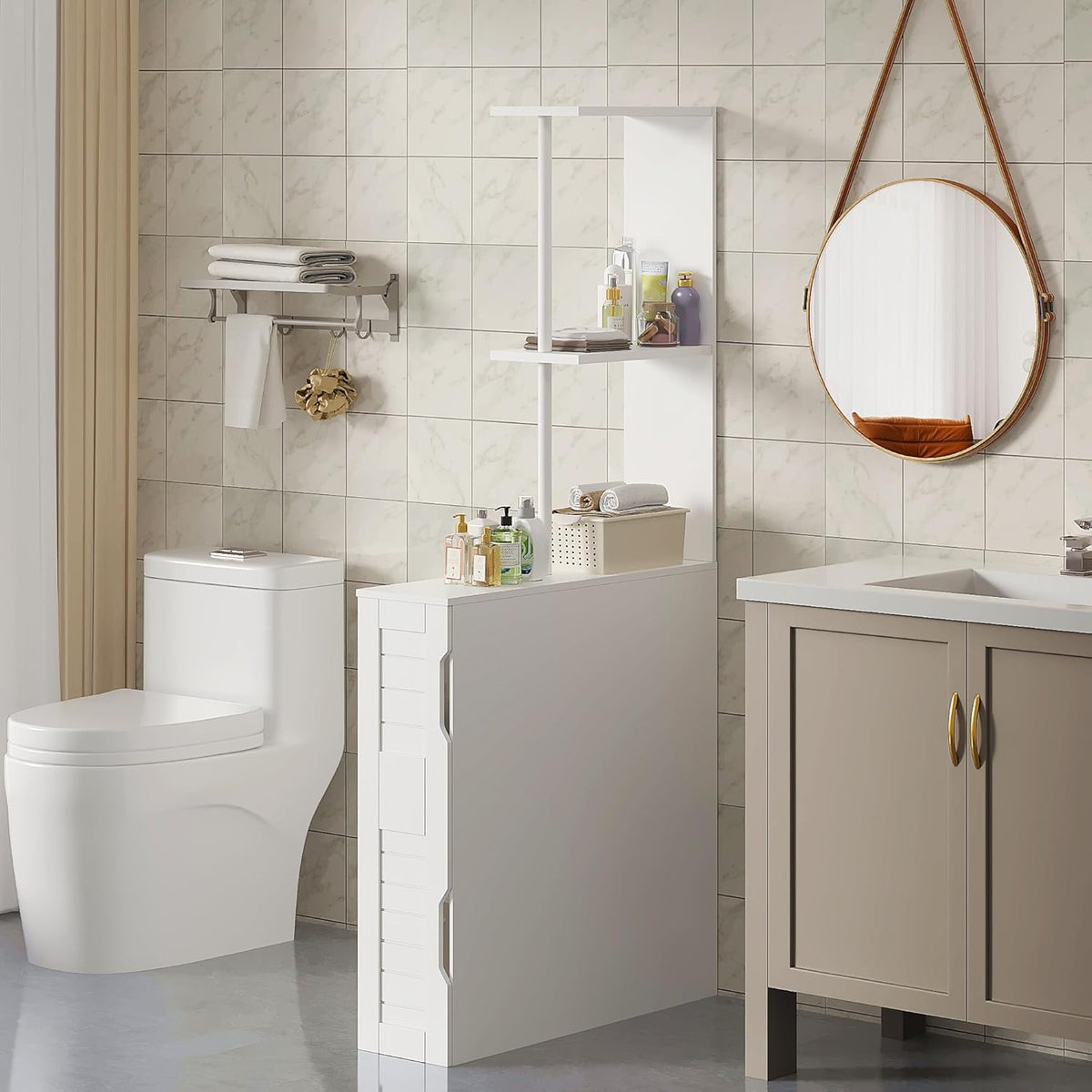
Good bathroom furniture can quietly support all of this. A bathroom cabinet, for example, doesn't need to dominate the room to be useful. It can simply give everyday essentials a defined home while keeping the space feeling calm and open. Sometimes, a smoother morning starts with something as simple as knowing exactly where to find what you need.

A Small Room With a Lot Going On
Bathrooms tend to ask a lot from a relatively small amount of space. There are towels, skincare products, hair tools, toiletries, cleaning supplies, and all the little things that seem to multiply over time. In a shared bathroom, there are even more routines happening within the same few square feet.
This is where thoughtful design matters. Instead of adding more furniture simply because there is something to put away, it makes sense to consider how the room is actually used. Vertical bathroom furniture can make use of wall height while keeping more floor space open. A tall, narrow cabinet can provide room for everyday necessities without making a compact bathroom feel crowded.
The goal isn't to hide everything away and create a perfectly empty room. Real bathrooms are used every day, and the things we use should remain convenient. The best bathroom storage is often the kind that works quietly in the background. It gives the room enough structure to feel comfortable without making it feel overly organized or impersonal.

Making Everyday Routines Feel Easier
A home doesn't become more comfortable simply because it has more furniture.
Sometimes, comfort comes from having the right piece in the right place. Think about how often we repeat the same small actions in the bathroom. Opening a cabinet in the morning. Reaching for a towel after a shower. Setting something down beside the sink. Putting products away before going to bed.
When furniture is designed around those habits, the room begins to feel more natural. This is particularly important in a small bathroom, where every inch has to work without making the space feel cramped. A slim bathroom cabinet can take advantage of an otherwise overlooked area. A piece with closed storage can help keep visual distractions under control. And a simple, well-proportioned design can make the room feel more finished without competing with the rest of the home.
None of these changes are dramatic. They are the kind of improvements you might barely notice at first. Then one morning, you realize you're no longer searching for something that used to disappear behind everything else. That's often what good furniture does. It doesn't ask for attention. It simply makes everyday life flow a little better.

The Last Stop Before the Day Ends
The bathroom plays a different role at night. After a busy day, the pace begins to change. The lights become softer. The shower runs for a few minutes longer. Skincare replaces the morning rush. There may be no reason to hurry anymore. These small rituals create a transition between the day we have finished and the night ahead.
And once again, the bathroom becomes part of that transition. This is why a well-designed bathroom is about more than appearance. It is about how the room feels when we are actually using it. A beautiful vanity or cabinet can certainly contribute to the look of a space, but its real value comes from how naturally it fits into everyday routines.
The bathroom may never be the largest or most impressive room in the house. It doesn't need to be.
It simply needs to work with the life happening inside it.
From the first few minutes of the morning to the quiet moments before bed, this small room accompanies us through more of the day than we often realize. And when its furniture is chosen with those everyday moments in mind, the difference isn't just a cleaner-looking space.
It is a home that feels a little easier to live in.