
Scroll through any home inspiration feed, and you’ll find spaces that look perfect—but strangely untouched. Cushions that seem never sat on. Tables without marks. Chairs that appear more decorative than usable. These rooms photograph beautifully, yet they rarely resemble real life.
But a home is not a showroom. It’s a place where things are used—often repeatedly, sometimes carelessly, and almost never perfectly. Furniture, in this sense, should not demand protection. It should be ready to participate in everyday living.
Designed to Be Used, Not Preserved
There is a quiet difference between furniture designed to be admired and furniture designed to be lived with. Display-focused pieces ask for distance. They look good from afar, but hesitate when touched. Everyday furniture does the opposite—it invites interaction.
A table meant for daily use doesn’t flinch when something is set down quickly. A shelf built for real life doesn’t require careful placement of every item. These pieces accept repetition. They expect wear. And over time, they feel more natural because of it.
Strength You Don’t Have to Think About
True durability isn’t loud. It doesn’t announce itself through heavy visuals or exaggerated structure. Instead, it shows up quietly—when a surface remains steady, when a drawer slides smoothly after months of use, when a frame holds without shifting.
Furniture made for everyday use allows you to stop paying attention to it. You don’t brace yourself before sitting down. You don’t worry about placing weight in the “right” spot. The structure simply supports what you do, without asking for care in return.
Marks of Living, Not Signs of Failure
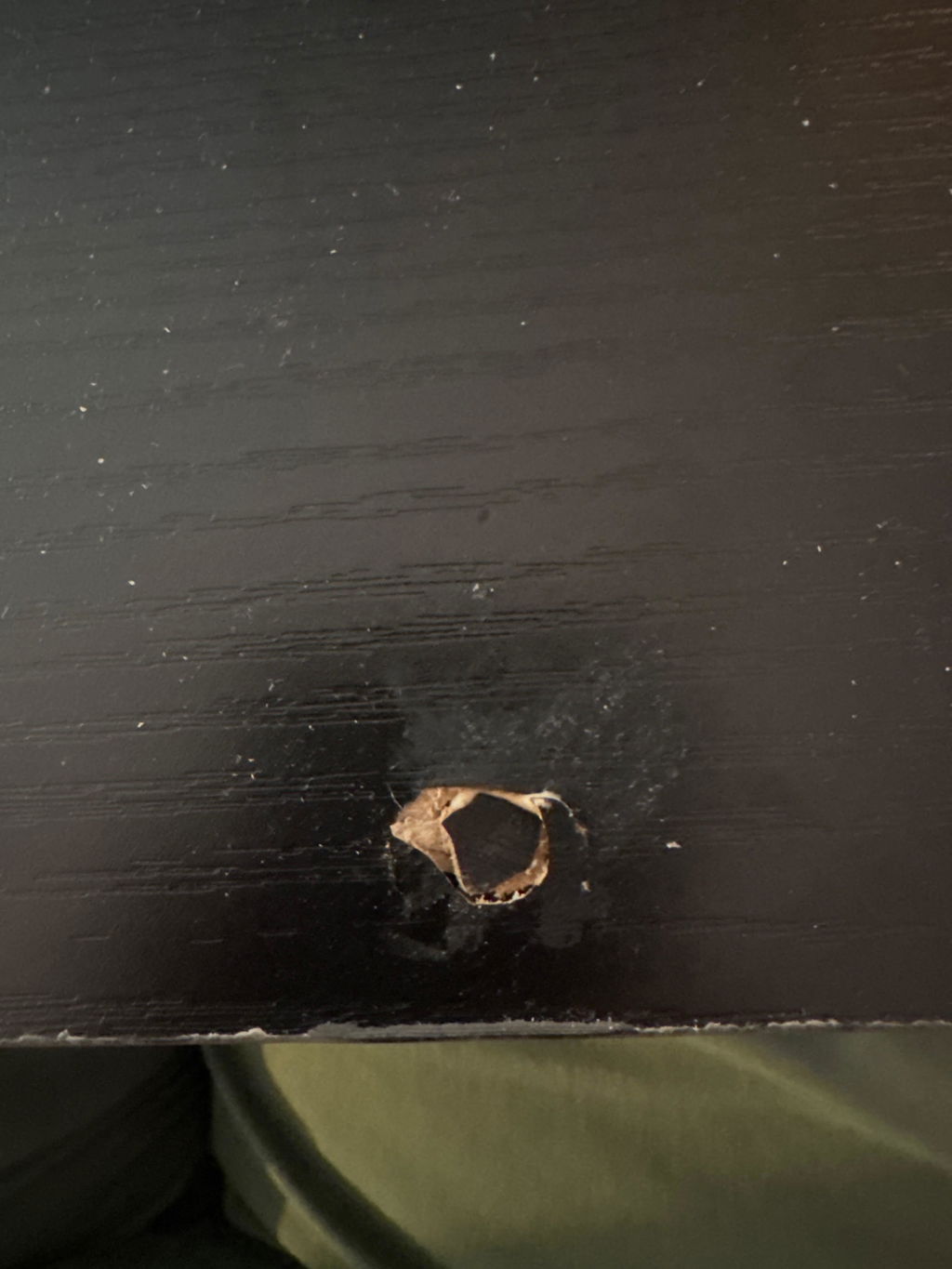
In real homes, traces appear. Slight scratches. Softened edges. A surface that tells a story of repeated use. These are not flaws—they are signs that the furniture is doing what it was meant to do.
When furniture is designed with everyday use in mind, these changes don’t ruin it. They blend in. The piece remains functional, stable, and visually balanced even as it adapts to daily life. Instead of looking worn out, it looks settled.
Furniture That Doesn’t Interrupt Your Day
Everyday furniture should fit seamlessly into routines, not interrupt them. A side table should be ready when you reach out without looking. A cabinet should open easily, even when your hands are full. A shelf should hold what you place on it without constant adjustment.
When furniture works this way, it disappears into the background—not because it lacks presence, but because it does its job well. It allows life to move freely around it.

Built for Repetition, Not Occasions
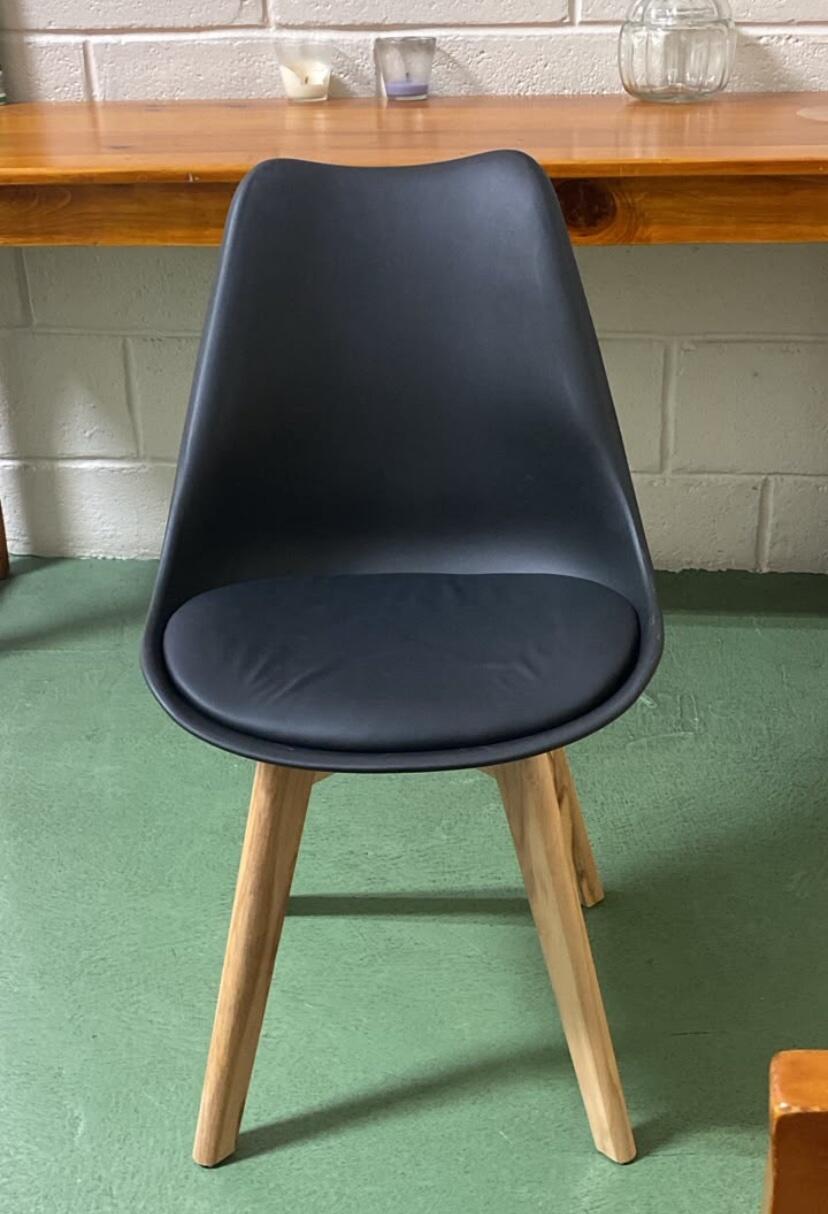
Some furniture feels suitable only for special moments. Others are designed for the quiet repetition of daily habits—placing keys down, setting a mug aside, pulling out a chair again and again.
Furniture made for everyday use doesn’t rely on novelty. Its value grows through familiarity. Over time, it becomes less of an object and more of a constant—something you rely on without thinking.
The Comfort of Furniture That Stays
The most meaningful furniture is not the kind you protect, but the kind you trust. Pieces that hold up to daily use, accept imperfections, and remain steady as life moves around them.
A home filled with furniture made for everyday use feels easier to live in. There is less hesitation, less adjustment, less pressure to keep things untouched. And in that ease, the space becomes what it was always meant to be—not a display, but a place where life happens naturally.