It's a question many people don't think about until they're furnishing a new home.
A bedside table catches your eye while shopping for the bedroom. Then, a similar-looking piece appears in the living room section, labeled as an end table. At first glance, they seem almost identical—compact, practical, and designed to hold everyday essentials.
So are they interchangeable?

The answer depends less on the furniture itself and more on how you live with it. While end tables and nightstands often share a similar size, they're designed around different routines. Understanding those routines makes choosing the right piece much easier.
Designed for Different Moments of the Day
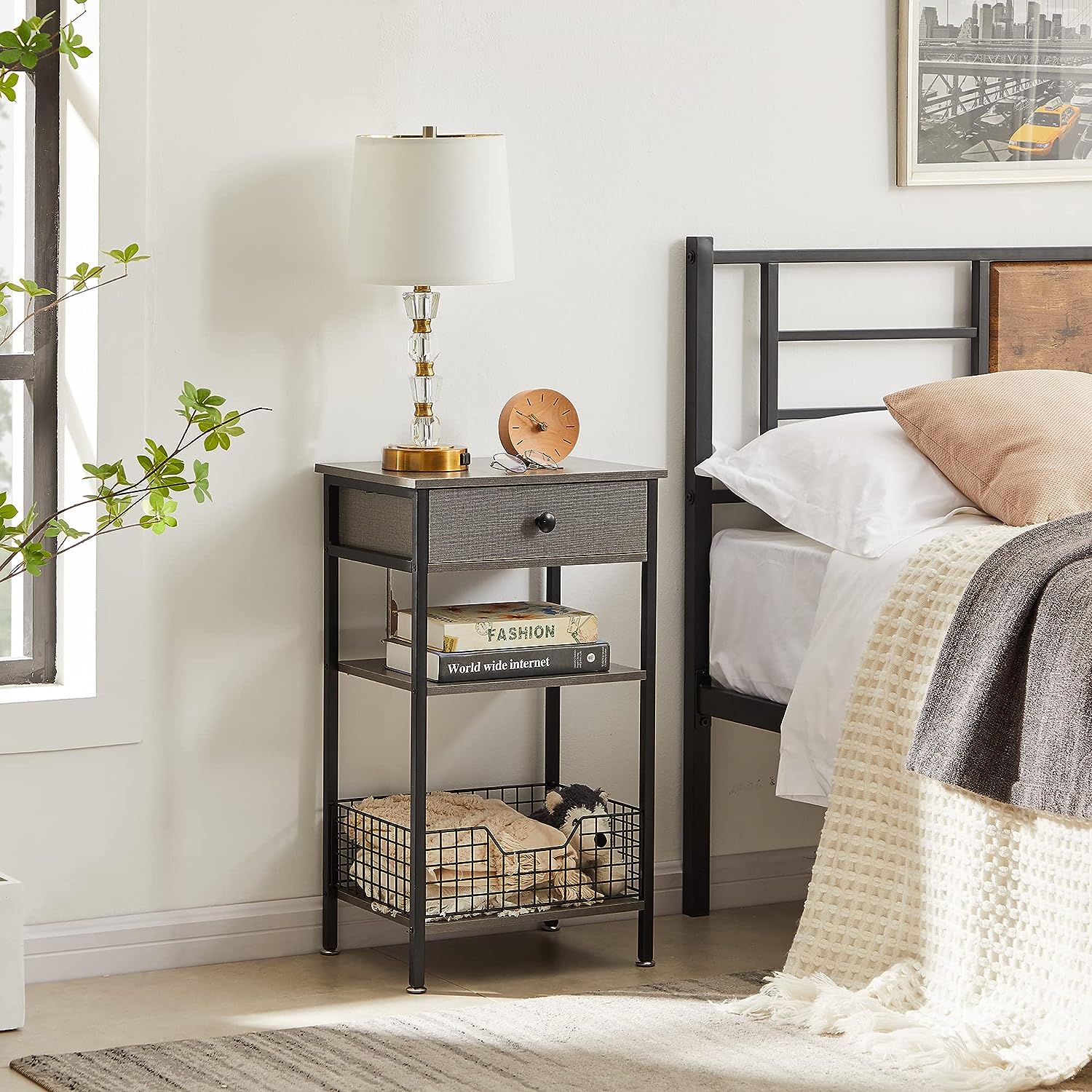
A nightstand begins and ends the day with you. It keeps a lamp within reach before bed, holds your current book, charges your phone overnight, and offers a convenient place for the small items you reach for first thing in the morning. Everything about it is designed to support quiet, personal routines.

An end table, however, belongs to shared spaces. It sits beside a sofa or accent chair, offering a place for a cup of coffee, a remote control, or a favorite magazine while you relax or entertain guests. It supports moments that happen throughout the day rather than the routines of waking up and winding down.
The difference isn't where they're placed—it's the role they play.
Similar in Size, Different in Function
Because both pieces are relatively compact, it's easy to assume they serve the same purpose. In reality, the details often tell a different story.
Nightstands frequently include drawers or enclosed storage, helping keep personal items tucked away and the bedroom feeling calm. End tables are often more open in design, with shelves or minimalist frames that keep frequently used items within easy reach.
Neither approach is better. They simply respond to different needs.
A bedroom often benefits from privacy and visual simplicity, while a living room usually favors accessibility and openness.
Can One Piece Do Both?

In many homes, especially apartments or smaller spaces, the answer is yes. A thoughtfully designed side table can move comfortably between rooms as your needs change. It may begin beside the bed, later become an end table in the living room, or even find a place in a guest room or reading corner.
Choosing versatile furniture like this allows your home to evolve without replacing pieces every time your layout changes. The key is to think beyond the product label. Instead of asking whether something is called an end table or a nightstand, consider whether it supports the way you'll actually use the space.

Choosing for Your Home, Not the Label
Furniture categories are helpful, but they aren't rules. The best choice is the one that fits naturally into your daily routine, complements the room around it, and provides exactly what you need without taking up more space than necessary. Some homes benefit from dedicated nightstands and matching end tables. Others are better served by versatile pieces that transition effortlessly from one room to another.
When furniture adapts to your lifestyle instead of limiting it, every room becomes a little easier to live in. And sometimes, that's far more important than the name printed on the price tag.