There’s a frustrating feeling that many people know well. You spend time tidying the room. Things are put away. Surfaces are wiped clean. The floor is clear. And yet, somehow, the space still feels messy.
Not dirty. Not disorganized.
Just... cluttered.
It's a strange disconnect between what we see and what we feel. The room may technically be clean, but it doesn't feel calm. Instead, it feels busy, crowded, or slightly overwhelming without an obvious reason why. Often, the problem isn't cleanliness at all.

When Everything Is Visible
One of the biggest contributors to visual clutter is simply having too many things competing for attention at the same time. A stack of mail on the counter. Charging cables on a side table. Small decorations mixed with everyday essentials. Individually, none of these items seem significant. Together, they create visual noise.
The eye never quite finds a place to rest. This is why some rooms feel calmer than others, even when they contain a similar number of objects. The difference isn't always how much is in the room—it's how much of it is constantly visible. A space begins to feel lighter when not every item asks to be seen.
Storage and Display Are Not the Same Thing
Many homes unintentionally treat storage and display as the same thing. Open shelves become catch-all spaces. Tabletops collect everyday items. Corners gradually accumulate objects that don't have a permanent place.
Over time, the room starts carrying more visual information than it was designed to hold. Good storage doesn't necessarily mean hiding everything away. It means being intentional about what remains visible and what doesn't.

The objects we use every day deserve easy access. Everything else benefits from having a dedicated place nearby, rather than living permanently in sight.
The Weight of Small Things
Large furniture often receives most of the attention when people think about a room.
But visual clutter is usually created by smaller things. The collection of items on a coffee table. The shoes near the door. The bags hanging from chairs. The random objects that seem temporary but never quite leave.

Individually, they barely register. Together, they shape how a room feels. This is why a home can remain cluttered even after a major cleaning session. The issue isn't the furniture. It's the accumulation of dozens of small decisions that gradually fill the space.
Creating Space for the Eye to Rest
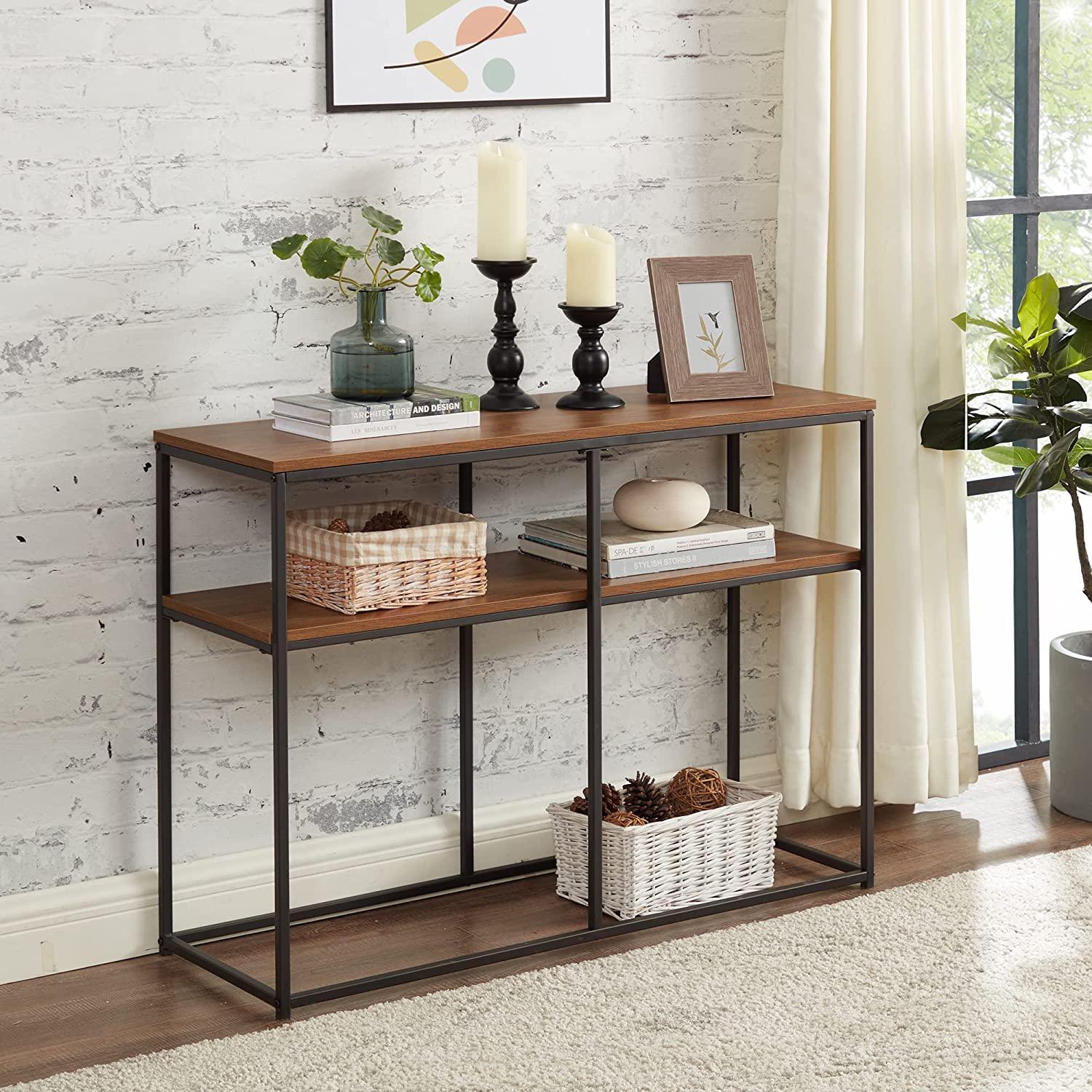
A comfortable room isn't empty. It simply knows when to pause. A clear surface beside a lamp. A shelf that isn't completely filled. A console table that holds only what needs to be there. These moments of visual breathing room help balance the objects that naturally accumulate throughout daily life.
The goal isn't minimalism.
It's clarity.
When a room contains a mix of storage, display, and open space, the entire environment begins to feel more intentional. The eye moves more easily. The space feels calmer. The home feels easier to live in. And often, that's the difference between a room that looks clean and one that truly feels that way.

A Calm Home Isn't About Having Less
Many people assume the solution to clutter is owning fewer things. Sometimes that's true. But more often, the solution is helping the things you already own find a better place within the room.
A home doesn't need to be empty to feel peaceful.
It simply needs enough balance between what is visible, what is stored, and what is left open. When that balance exists, even a busy home can feel calm. And when it doesn't, even a clean room can feel cluttered.