When we buy a new piece of furniture, we usually have a specific place in mind.
The nightstand belongs beside the bed. The bookshelf goes in the home office. The dining table is meant for family meals, and the storage bench waits patiently in the entryway. At least, that's the plan.
But homes rarely stay the same for long.
Furniture has a quiet way of moving through our lives, adapting to new spaces and new routines long after we first bring it home. And often, the pieces we appreciate the most aren't the ones that remain exactly where they started—they're the ones that continue to find a purpose as life changes around them.
Every Home Has More Than One Story
Think about a bookshelf that once held college textbooks.

Years later, it may display travel souvenirs collected over time. Eventually, it becomes home to children's picture books before finding its place in a guest room, holding baskets, blankets, or family photos.
The furniture hasn't changed.
The life around it has.
The same is true for so many pieces throughout the home. A compact dining table may begin as the perfect place for two people to share dinner. Later, it becomes a workspace during the week, a craft table on weekends, or the center of birthday celebrations and holiday gatherings.
Good furniture doesn't belong to a single chapter of life.
It quietly follows us into the next one.
Function Is More Flexible Than We Think
It's easy to think of furniture by the labels we give it.
A nightstand. An end table. A console table.
But those names are simply starting points.
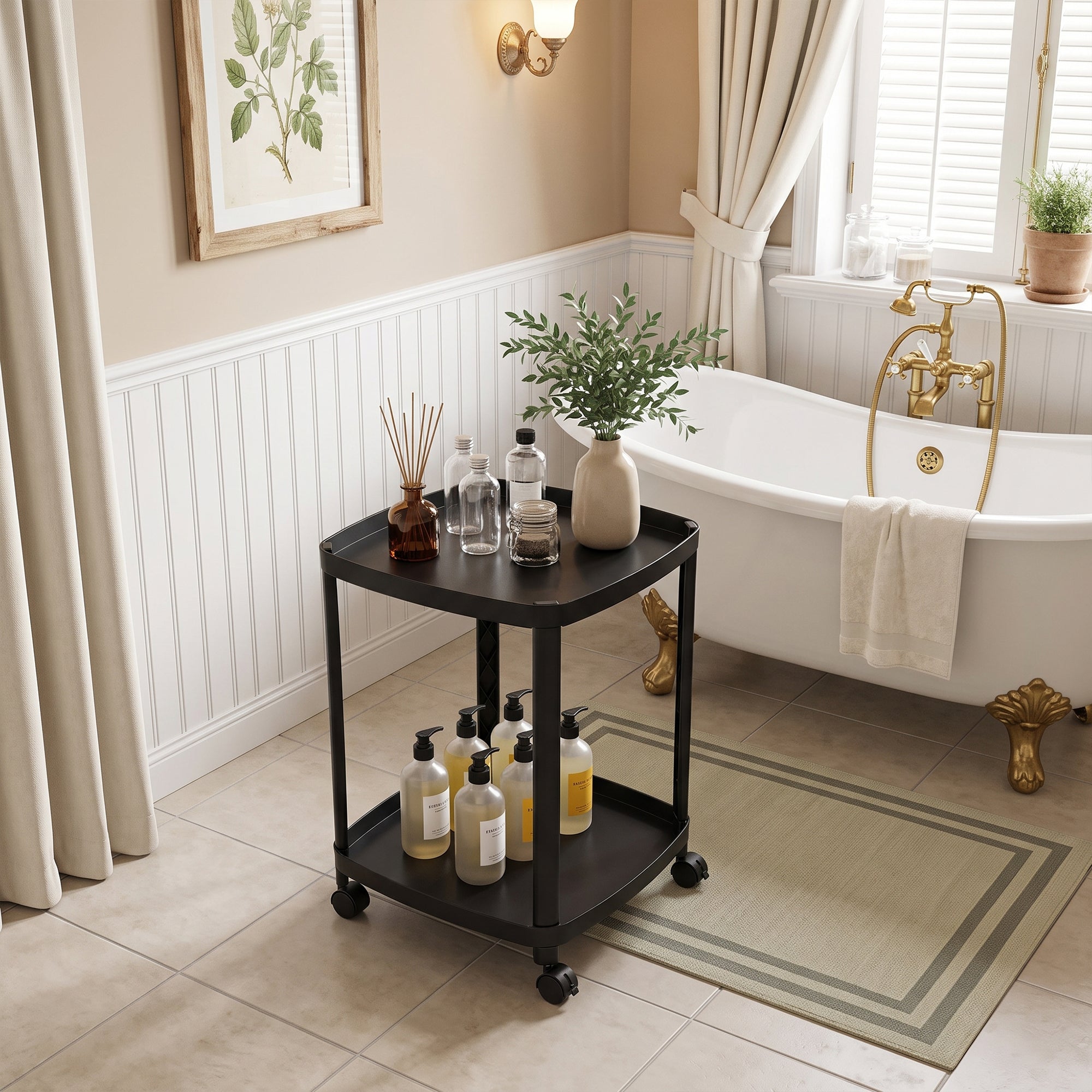
A nightstand can become the perfect companion beside a reading chair. A console table may transform into a coffee station or a small workspace. A kitchen cart might begin in the kitchen before becoming extra storage in a laundry room or a serving station for gatherings with friends.
When furniture is thoughtfully designed, its usefulness isn't limited by the room it was originally intended for.
Instead, it adapts naturally to the way we choose to live.

A Home Grows One Decision at a Time
Most homes aren't furnished all at once. They're built gradually. One thoughtful purchase leads to another. A new apartment becomes a first home. A guest room becomes a nursery. A quiet corner becomes a place to work from home.
As these moments unfold, the furniture that continues to serve different purposes often becomes the most valuable—not because it was expensive, but because it remains useful through changing routines.
There's something reassuring about owning pieces that don't become obsolete simply because life takes a new direction. They grow with the home instead of being replaced by it.

Choosing Furniture for the Life Ahead
When selecting furniture, it's natural to focus on today's needs.
Will it fit this room?
Will it match the décor?
Will it work with the current layout?
Those are important questions.
But sometimes it's worth asking one more. Will this piece still make sense if my home changes? The answer doesn't have to be certain. Life rarely is.
But furniture that can adapt—from room to room, from one purpose to another—often stays with us longer and becomes part of more memories than we ever expected.

More Than Furniture, Part of the Journey
The best furniture isn't always defined by where it stands. It's defined by how well it continues to support everyday life, even as that life evolves.
A side table that moves from the bedroom to the living room. A bookshelf that grows alongside a family. A dining table that witnesses ordinary breakfasts, unexpected celebrations, and countless conversations in between.
These pieces become more than furniture. They become familiar companions to the changing rhythms of home. And perhaps that's why the best furniture isn't always bought for one room. Sometimes, it's bought for a lifetime of different ones.