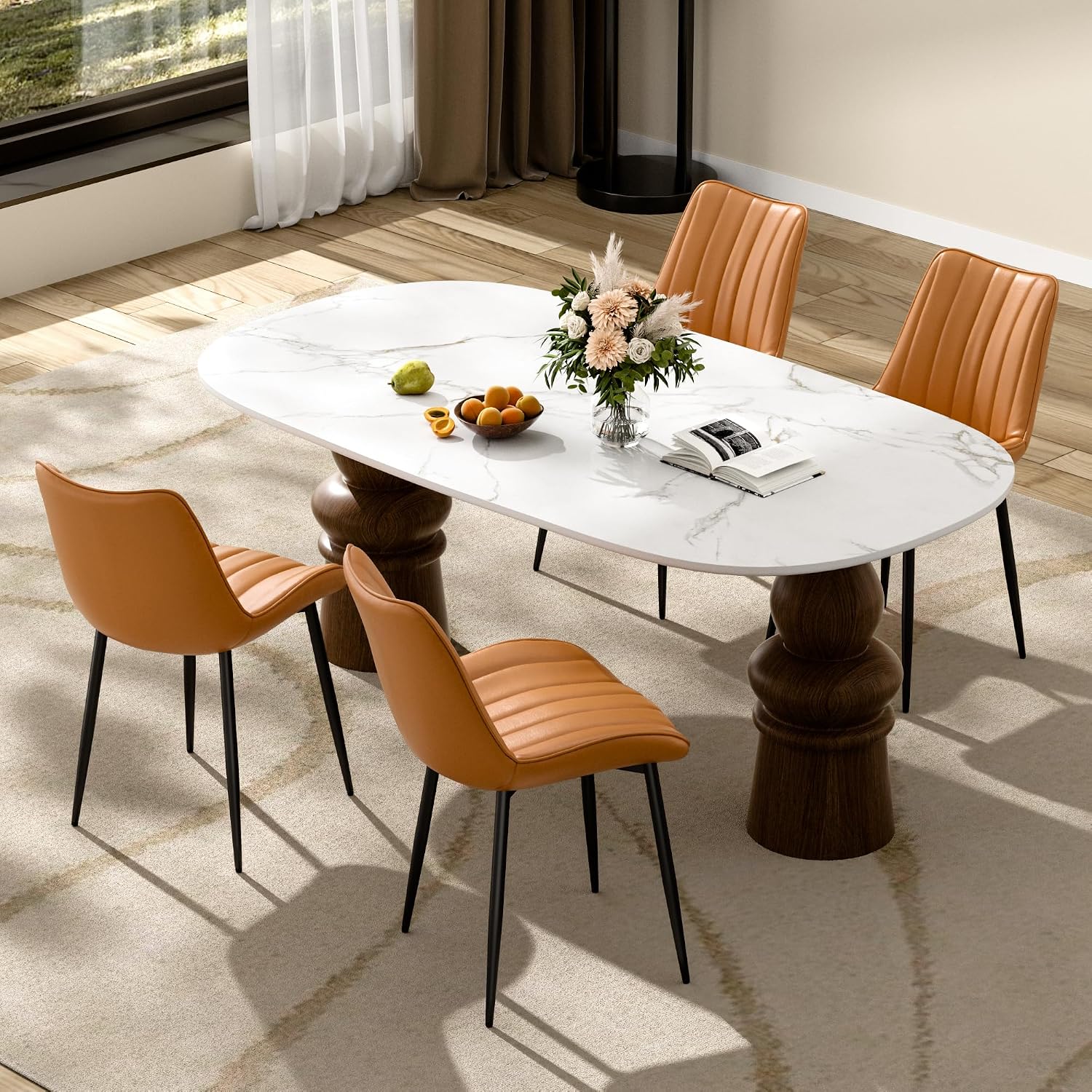
There comes a moment in almost every home when the essentials are finally in place. The sofa has arrived. The dining table is assembled. The bed is made. There’s somewhere to sit, somewhere to eat, somewhere to sleep.
By most definitions, the room is finished.
And yet, it doesn’t quite feel complete.
This feeling is surprisingly common. A room can be full of furniture without ever feeling truly furnished. The difference isn’t measured by how many pieces you own—it’s measured by how thoughtfully those pieces work together.
A Room Can Be Full Without Feeling Comfortable

It's easy to assume that furnishing a home simply means buying everything on a checklist. A sofa for the living room. A table for the dining area. A bed for the bedroom.
Once those pieces arrive, the room appears functional. But living in it often reveals something different. The furniture exists, yet the space still feels awkward. Conversations don't naturally happen where you expected. Everyday objects seem to drift without a place to belong. Some corners feel crowded, while others feel forgotten.
The room works. But it doesn't flow. Furnishing a home begins when furniture starts supporting daily life instead of simply occupying space.
Every Piece Should Have a Purpose

The most inviting homes rarely contain the most furniture.
Instead, each piece quietly earns its place. A console table welcomes you at the entrance instead of leaving keys scattered across the counter. A bookshelf organizes the objects you return to often while giving treasured books and photographs room to be seen. An end table keeps everyday essentials within reach without interrupting the space around it.
None of these pieces are necessarily the largest in the room. Yet they often become the ones that make the home feel complete. They don't exist because there was empty space to fill. They exist because they make everyday living a little easier.
Good Homes Leave Room to Breathe
One of the easiest ways to make a room feel unfinished is, surprisingly, trying to finish every corner. Every empty wall receives a cabinet. Every surface becomes a place to decorate. Every corner asks for another chair, another basket, another shelf. Eventually, the room stops feeling intentional and begins feeling crowded.

The homes that feel calm usually have something in common. They allow certain areas to remain open. A clear walkway. An uncluttered tabletop. A corner that isn't trying to become something else.
These moments of openness give furniture the space to be appreciated instead of competing for attention.
A Home Should Tell Your Story, Not a Catalog's
Perfectly matched furniture sets can create a polished first impression, but the homes people remember are rarely the ones that look like a showroom. They're the ones that feel personal.
A dining table that's been part of countless family dinners. A favorite reading chair beside a bookshelf. A side table that holds morning coffee every single day. These pieces become meaningful because of how they're used, not because they arrived as part of the same collection.
The most comfortable homes are built gradually. One thoughtful decision at a time.
Furnishing Is About Living, Not Filling
A beautiful home isn't created by adding furniture until every space disappears. It's created by understanding what each room truly needs—and allowing the rest to remain simple. When every piece has a purpose, enough space to breathe, and a natural place within the home, the room begins to feel settled.
Not because it's full. But because it finally feels lived in.
And perhaps that's the real difference between filling a room and furnishing one.